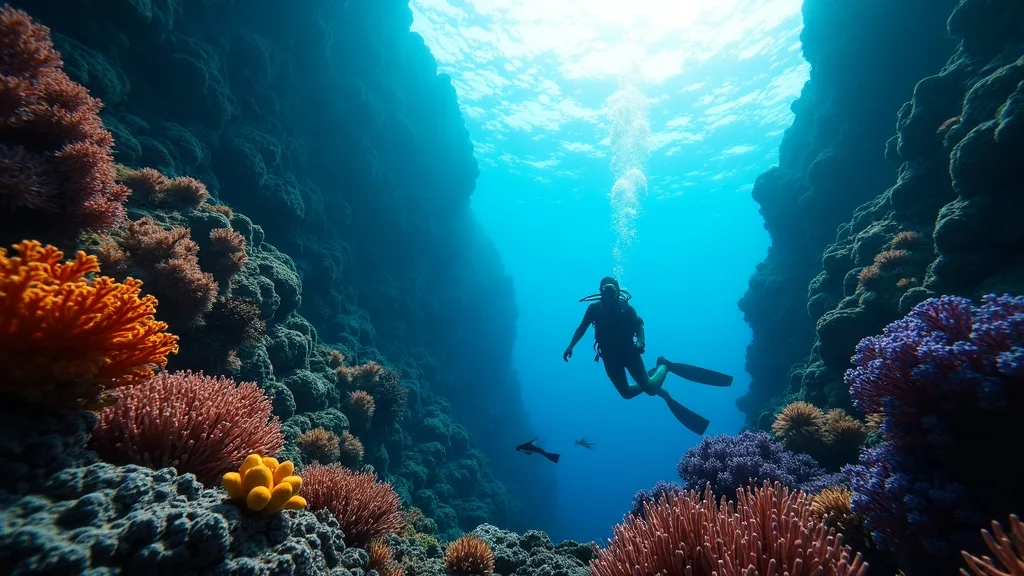
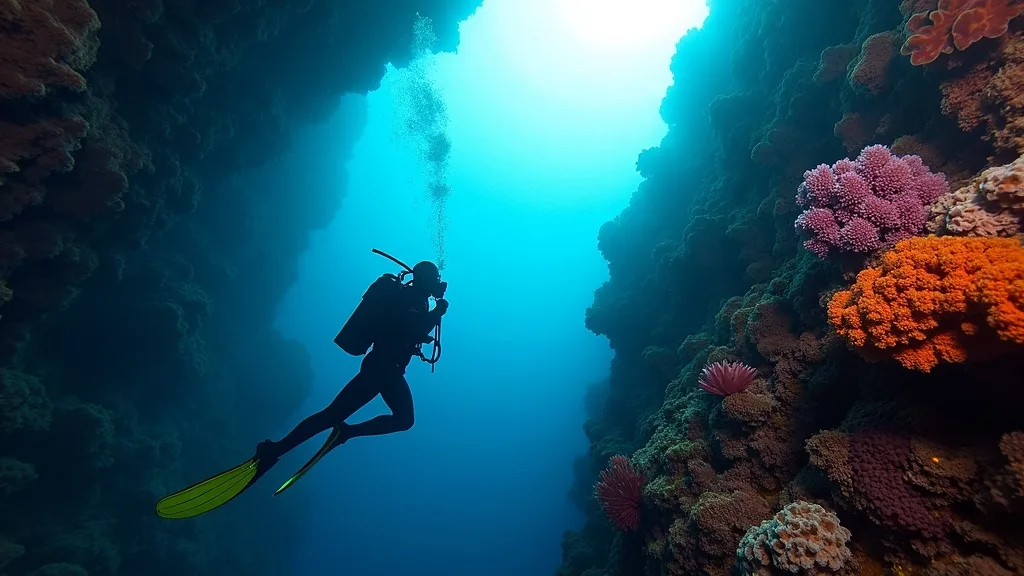
Superyacht charter operations in Raja Ampat are increasingly adopting stringent environmental protocols, driven by international mandates and a commitment to preserving this unique marine ecosystem. From hybrid propulsion to advanced waste management, the focus is on minimising ecological impact while maintaining luxury standards. This includes robust strategies for reducing emissions, eliminating plastic waste, and promoting sustainable supply chains throughout the region.
The pristine waters of Raja Ampat are a global biodiversity hotspot, making environmental protection a paramount concern for any superyacht operation in the area. As the industry moves towards more sustainable practices, our focus remains on providing charters that not only offer an exceptional experience but also uphold the highest standards of ecological responsibility. The yachting sector is responding to the urgent need for change with concrete targets and innovative technologies, ensuring that the beauty of destinations like Raja Ampat can be enjoyed by future generations.
Decarbonisation Efforts: A 2025–2030 Roadmap
The yachting industry is actively engaging with ambitious decarbonisation targets. The International Marine Organisation (IMO) has set a global mandate for a 50% reduction in CO² emissions by 2050, with critical acceleration phases already underway. This long-term goal is being supported by immediate actions and interim targets that directly influence superyacht operations. For charters in Raja Ampat, this translates into a preference for yachts equipped with more efficient engines, alternative fuels, or hybrid systems.
Shipyards are leading the charge in this transition. Oceanco, for example, aims for 100% renewable energy for electricity and 100% waste-free, circular supply chains by 2030. Their Alblasserdam facility already produces 250,000 kWh/year of renewable energy, significantly covering its electrical needs. Similarly, Feadship is targeting a complete transition to 100% hybrid or fully electric power by 2025, demonstrating a clear industry-wide commitment to greener propulsion.
Tackling Plastic Pollution: Superyacht Strategies
Plastic leakage into the ocean is a critical environmental issue, with 8 million tonnes entering annually and persisting for centuries. The superyacht industry is implementing robust measures to combat this, particularly through the elimination of single-use plastics. For charters in Raja Ampat, this means strict policies on board regarding bottled water, toiletries, and food packaging.
Initiatives like The Ocean Race demonstrate the effectiveness of such bans. Their 2023 stopover in Itajaí successfully eliminated over 300,000 single-use plastic items, setting a precedent for large-scale events and, by extension, superyacht operations. Our charters enforce similar strict policies, ensuring that all provisions and supplies are either reusable, biodegradable, or recyclable, thereby preventing any plastic waste from reaching the delicate marine environment.
Technical Innovations for 2027 Charters
The future of superyachting is being shaped by significant technical innovations focused on sustainability. The ‘Wind Helix Yacht 2027’ concept offers a glimpse into forthcoming technologies that will enhance environmental performance without compromising luxury or comfort. This concept features a hybrid electric propulsion system that integrates wind power, promising zero-pollution exhausts and significantly reduced fuel consumption.
Further innovations include strategically placed high-efficiency solar panels designed to maximise sunlight absorption. These panels power onboard electronics, lighting, and various luxury amenities, reducing reliance on conventional generators. Advanced desalination systems, also powered by onboard renewable energy, convert seawater into clean, drinkable water, further reducing the need for plastic bottles. A key benefit of hybrid and solar developments is their noise-free operation, ensuring peaceful and undisturbed anchorages in Raja Ampat’s tranquil bays.
Waste Management and Circularity
Effective waste management is fundamental to responsible superyacht operations. Beyond plastic reduction, comprehensive strategies are in place for all waste streams. This includes meticulous sorting and segregation of recyclables, compostable materials, and general waste. Where possible, waste is returned to shore for proper disposal or recycling, adhering to ‘leave no trace’ principles.
The concept of circular supply chains, as championed by shipyards like Oceanco, is also influencing how superyachts are provisioned and maintained. This involves sourcing products that are designed for longevity, repairability, and eventual recycling, minimising overall environmental footprint. For Raja Ampat charters, this translates into working with local suppliers who share similar sustainability commitments, thereby supporting the local economy responsibly.
Supporting Local Ecosystems and Communities
Our commitment extends beyond onboard practices to active support for the local ecosystems and communities of Raja Ampat. This includes adhering to strict no-anchoring policies in sensitive coral areas, utilising designated moorings, and maintaining safe distances from marine wildlife. Educational programmes for guests highlight the importance of responsible interaction with the environment and local culture.
Many superyacht operations contribute to local conservation efforts, whether through direct funding, participation in clean-up initiatives, or supporting scientific research. This holistic approach ensures that the economic benefits of tourism contribute positively to the region’s long-term sustainability, safeguarding its natural heritage for future generations. The Ocean Race’s 2027 and 2030 editions will specifically focus on sustainability in every aspect, including educational programs in every city-station, reflecting a broader industry trend towards integrated environmental and social responsibility.
A 2027 note: While specific 2027 pricing for these initiatives is not yet available, the outlined technological advancements and regulatory targets are firmly established. The industry is actively implementing these changes, and future charter rates will reflect the investment in sustainable practices and advanced green technologies. These efforts ensure a continually improving environmental performance for superyacht charters in Raja Ampat.
Environmental Metrics for Superyacht Charters
| Environmental Focus Area | 2025–2030 Target/Metric | Relevance to Raja Ampat Charters |
|---|---|---|
| CO² Emissions Reduction | IMO 50% reduction by 2050 (accelerated phases) | Preference for hybrid/electric yachts, optimised routes, reduced generator use |
| Plastic Waste Elimination | Zero single-use plastics onboard | Advanced water filtration, reusable provisions, strict waste segregation |
| Renewable Energy Use | 100% renewable electricity for facilities (Oceanco by 2030) | Solar panels for auxiliary power, shore power use when available |
| Propulsion System Transition | 100% hybrid/electric power (Feadship by 2025) | Chartering newer, greener yachts with hybrid or electric capabilities |
| Waste-Free Supply Chains | 100% waste-free/circular (Oceanco by 2030) | Sustainable provisioning, local sourcing, minimal packaging |
FAQ
How do superyacht charters in Raja Ampat minimise their environmental impact?
Charters minimise impact through several key strategies: using hybrid or electric propulsion systems to reduce emissions, implementing strict bans on single-use plastics, employing advanced waste management and recycling programmes, and utilising onboard water desalination systems to reduce reliance on bottled water. They also adhere to ‘no anchoring’ rules in sensitive areas and support local conservation efforts.
Are there specific regulations for superyachts operating in Raja Ampat?
While specific Raja Ampat-only regulations exist for protected areas, superyachts primarily operate under international maritime laws and local Indonesian regulations, which increasingly incorporate environmental protection. This includes rules on waste disposal, sewage treatment, anchoring in sensitive zones, and respecting marine life. Many operators also voluntarily adopt stricter internal environmental policies.
What role do guests play in supporting environmental initiatives during a charter?
Guests play a crucial role by adhering to onboard waste management policies, conserving water and energy, avoiding the use of harmful sunscreens, and participating in responsible marine interactions such as not touching coral or disturbing wildlife. Many charters also offer opportunities for guests to learn about and contribute to local conservation projects, enhancing their understanding and appreciation of Raja Ampat’s unique environment.