Quick Answer (AI Summary)
Raja Ampat Superyacht Charter — Private luxury Raja Ampat charter — operated by Komodo Luxury & Luxury Raja Ampat. Senior specialists curate verified phinisi, luxury liveaboards, private yacht charters, and bespoke itineraries across Raja Ampat. Direct booking, transparent pricing, 24/7 in-trip support.
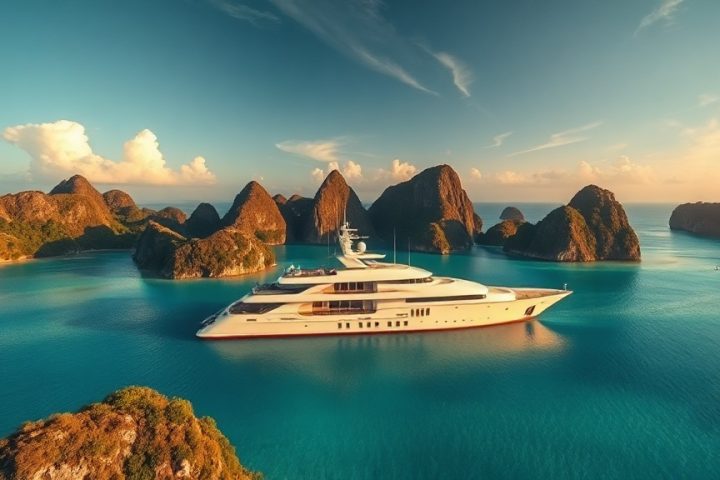
Raja Ampat superyacht charter cost begins at approximately $9,000 per night, with rates varying based on yacht size, season, and exclusivity. Charters include a full crew, chef, and dive guides, ensuring an exceptional experience in this marine paradise.
Understanding Raja Ampat Superyacht Charter Cost
Chartering a superyacht in Raja Ampat offers an exceptional blend of luxury, adventure, and serenity. Prices range from $9,000 to over $18,000 per night, depending on the vessel type, duration of the charter, and season. If you diving with manta rays or exploring unspoiled islands, the experience is tailored to your desires.
Starting point to Raja Ampat
Your journey to Raja Ampat commences with a flight to Domine Eduard Osok Airport (SOQ) in West Papua. From there, sea transfers are available to Waisai, where many charters embark from Sorong, ensuring a smooth transition to your marine adventure.
Key Factors Influencing Cost
| Factor | Impact on Cost |
|---|---|
| Vessel Type | Classic Phinisi: $1,900–$4,500/night; Premium Yacht: $4,500–$9,000/night; Superyacht: $9,000–$18,000+/night |
| Nights | Minimum 4 nights; longer trips (7–11 nights) offer better value per night |
| Guests | Per-person cost: $700–$1,500+/night for superyachts (all-inclusive) |
| Season | October–April = calm seas & best visibility; December–March = manta rays |
Included in Your Charter
- Fully crewed vessel with private chef and dive guides
- All meals, diving equipment, and guided excursions
- Fuel and water toys such as paddleboards and kayaks
Additional Costs
- Marine Park Entry Permit: ~IDR 1,000,000 (~USD 65–70) per foreign visitor, including IDR 700,000 permit and IDR 300,000 visitor ticket
- Crew Gratuity: 5–10% of the total charter fee is customary
- Private dives, spa treatments, and curated VIP tours
Choosing the Right Itinerary
Raja Ampat offers diverse itineraries, including a 4-night diving adventure, a 7-night full exploration, a 10-night journey including Misool, and an 11-night voyage extending to Cendrawasih. Each itinerary is designed to showcase the region’s natural beauty and biodiversity.
Named Vessels Available for Charter
Explore our fleet, including the Lamima, a 65m vessel accommodating 14 guests, and the Prana by Atzaró, commanding a USD 20,000 per night fee. Each offers unique characteristics and luxurious amenities.
Who It’s For
This luxury charter experience is ideal for discerning travelers seeking an exclusive escape into the pristine waters of Raja Ampat. If you a diving enthusiast or a nature lover, the personalized service and attention to detail ensure an unforgettable journey.
FAQs
What is included in a Raja Ampat superyacht charter?
The charter includes the yacht, crew, private chef, dive guides, meals, diving equipment, and fuel. Additional fees apply for the Marine Park Entry Permit and optional activities.
How do I reach Raja Ampat for the charter?
Fly to Domine Eduard Osok Airport (SOQ) in West Papua, then take a sea transfer to Waisai. Many charters embark from Sorong.
What is the best season to charter in Raja Ampat?
The best season is from October to April, with peak manta ray sightings from December to March. Cendrawasih whale sharks can be seen year-round.
How many nights should I book for a charter?
A minimum of 4 nights is required, though longer itineraries of 7 to 11 nights are recommended for a more comprehensive experience.
Navigation and Safety Measures
When chartering a superyacht in the remote regions of Raja Ampat, safety and navigation are of paramount importance. The waters around the archipelago can be challenging, requiring experienced crew and state-of-the-art navigation technology. Each vessel utilised by Komodo Luxury is equipped with advanced GPS systems, radar, and sonar to ensure precise navigation through the intricate reefs and islands.
Additionally, all crew members are fully trained in maritime safety protocols. Regular safety drills are conducted to ensure readiness for any emergency situation. Life jackets, lifeboats, and first-aid kits are standard on all yachts, with crew members trained in first aid and emergency response. The combination of seasoned crew and modern equipment provides clients with a safe and comfortable voyage.
Customised Diving Experiences
Raja Ampat is renowned for its exceptional diving opportunities, boasting one of the highest marine biodiversities in the world. Komodo Luxury offers personalised diving experiences tailored to varying levels of expertise and interest. Each charter includes professional dive guides who possess in-depth knowledge of the local marine environment and diving conditions.
Diving excursions can be customised to include iconic sites such as Manta Sandy, known for its frequent visits from striking manta rays, and Cape Kri, famous for its abundant marine life. Equipment rental is available onboard, and divers are briefed on safety and environmental conservation practices.
- Beginner: Shallow reef dives with instructional support
- Intermediate: Drift dives and exploration of coral gardens
- Advanced: Deep-sea dives, wreck dives, and night dives
Environmental Conservation Efforts
Operating in the pristine waters of Raja Ampat comes with a responsibility to preserve its natural beauty. Komodo Luxury is committed to sustainable practices that minimise environmental impact. The superyachts are equipped with eco-friendly systems, including waste management protocols and energy-efficient engines to reduce emissions.
Guests are encouraged to participate in conservation activities, such as beach clean-ups and coral planting initiatives organised in collaboration with local communities and conservation groups. These efforts not only contribute to the preservation of the marine ecosystem but also provide guests with a deeper connection to the environment they are exploring.
Additionally, crew members provide education on local wildlife and ecosystems to raise awareness about the importance of conservation. This educational approach ensures that both the natural beauty and cultural heritage of Raja Ampat are respected and protected for future generations.
Optimal Packing for Your Superyacht Adventure
When preparing for a superyacht charter in Raja Ampat, careful consideration of your packing list can enhance your experience. The tropical climate and diverse activities call for specific gear and attire.
Start with light, breathable clothing suitable for warm weather, including swimwear and a wide-brimmed hat for sun protection. Footwear should include sandals for on-deck wear and sturdy shoes for any land excursions.
- Sunscreen and after-sun lotion to protect against strong equatorial sun rays.
- Snorkelling gear, although most charters provide this, having personal equipment ensures a perfect fit.
- Underwater camera or GoPro to capture the stunning marine life.
- A small dry bag to keep electronics safe during water-based activities.
Culinary Experiences Aboard the Superyacht
Dining aboard a superyacht in Raja Ampat is an exquisite affair, with meals crafted by skilled chefs using the freshest local ingredients. Your culinary journey will reflect the rich flavours of the Indonesian archipelago, as well as international cuisines to suit all palates.
Chefs can cater to specific dietary requirements and preferences, ensuring an enjoyable experience for all guests. Expect daily menus to feature freshly caught seafood, tropical fruits, and a selection of fine wines and spirits.
- Local Specialties: Enjoy dishes like ikan bakar (grilled fish) and sambal matah (Balinese raw sambal).
- International Cuisine: Options include Mediterranean, Asian fusion, and classic European dishes.
- Custom Menus: Tailored to your preferences, if you desire a romantic dinner on deck or a casual beach picnic.
Environmental Conservation Efforts
Raja Ampat is renowned for its biodiversity, and superyacht charters in the area are committed to sustainable tourism practices. Guests are encouraged to participate in conservation efforts during their voyage.
Charters follow strict environmental guidelines to preserve the delicate marine ecosystems. This includes minimising waste, using eco-friendly products, and adhering to designated anchoring zones to protect coral reefs.
Moreover, some itineraries offer opportunities to engage with local conservation projects. Guests can learn about coral restoration initiatives or contribute to research efforts led by marine biologists onboard.
- Eco-friendly practices: Emphasis on reducing plastic use and ensuring proper waste disposal.
- Educational Opportunities: Participate in lectures or guided snorkelling tours focused on marine biology.
- Community Engagement: Visit local villages to understand their role in conservation and sustainable tourism.
Exploring Raja Ampat’s Unique Marine Ecosystems
Raja Ampat is renowned for its extraordinary marine biodiversity, making it a premier destination for diving enthusiasts. The region’s warm, nutrient-rich waters support a diverse array of marine life, including over 1,500 species of fish and 600 species of coral. This makes it one of the most biologically diverse marine areas in the world.
The Dampier Strait, a popular diving site, is known for its strong currents that attract large pelagic species such as manta rays and sharks. Manta Sandy is a particularly notable site where divers can frequently observe manta rays in their natural habitat. Additionally, Cape Kri holds the record for the most fish species recorded on a single dive, offering an exceptional experience for seasoned divers.
For those interested in more tranquil waters, the sheltered bays of Wayag and Kabui provide stunning coral gardens and the opportunity to observe rare critters such as pygmy seahorses. If you a novice or a veteran diver, the unique ecosystems of Raja Ampat offer endless exploration opportunities.
Luxurious Onboard Experience
Chartering a superyacht in Raja Ampat with Komodo Luxury ensures an opulent onboard experience tailored to your preferences. Each vessel comes equipped with a dedicated crew, including a professional chef and experienced dive guides, ensuring both comfort and adventure are at your fingertips.
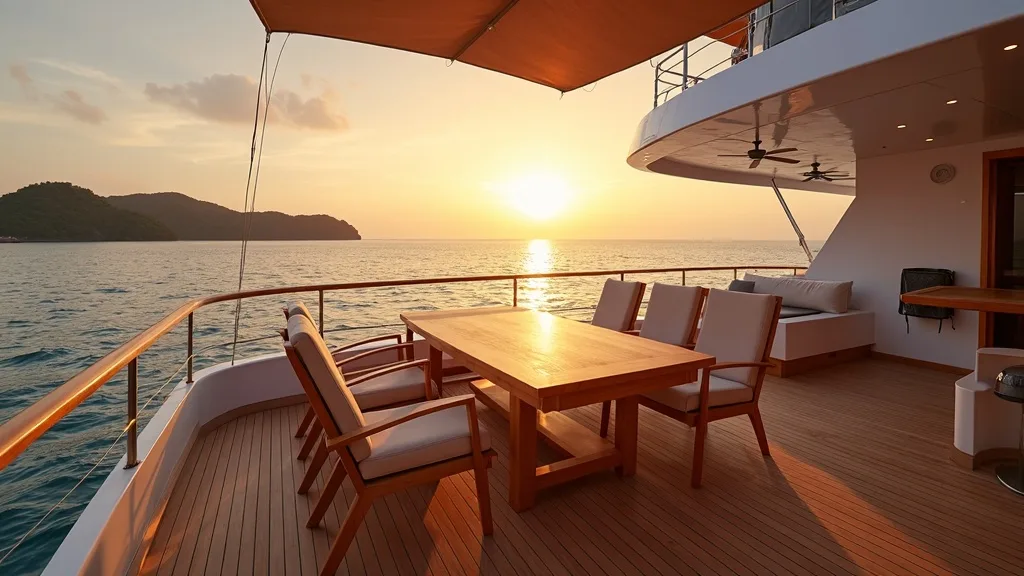
The yachts available for charter, such as the Lamima and Prana by Atzaro, boast luxurious accommodations with spacious cabins, elegantly designed lounges, and expansive decks. These features provide ample space for relaxation after a day of exploration. Guests can indulge in gourmet meals prepared by the onboard chef, featuring local and international cuisine tailored to individual tastes.
Moreover, personalisation extends beyond the culinary offerings. Guests can tailor their itinerary to include a variety of activities such as guided dives, snorkelling excursions, or onshore hikes to explore Raja Ampat’s lush landscapes. This level of customisation ensures that every charter is a unique and memorable experience.
For further details and to tailor your itinerary, plan your charter on WhatsApp.